So kundgeben Casinobonusbedingungen ja mehrfach ihr Zeitlimit, dasjenige sich auf das Gerecht werden das Umsatzbedingung bezieht
19 de maio de 2026Discover the thrill of chicken road game
19 de maio de 2026Pin up Ecosystem Efficiency Metrics and Operational Structure
When we examine the online gaming platform Pin up through the lens of data-driven decision making and process optimization, we see a system designed for scale and user efficiency. This analytical overview breaks down the platform’s core components-from registration and app functionality to bonus mechanics and financial flows-using the same systematic thinking that drives modern technology stacks. For a deeper look at structured frameworks, you might review resourcingchristianity.org as a reference for systematic resource management, but here we focus squarely on the Pin up operational model.
Pin up Registration and Login Process Optimization
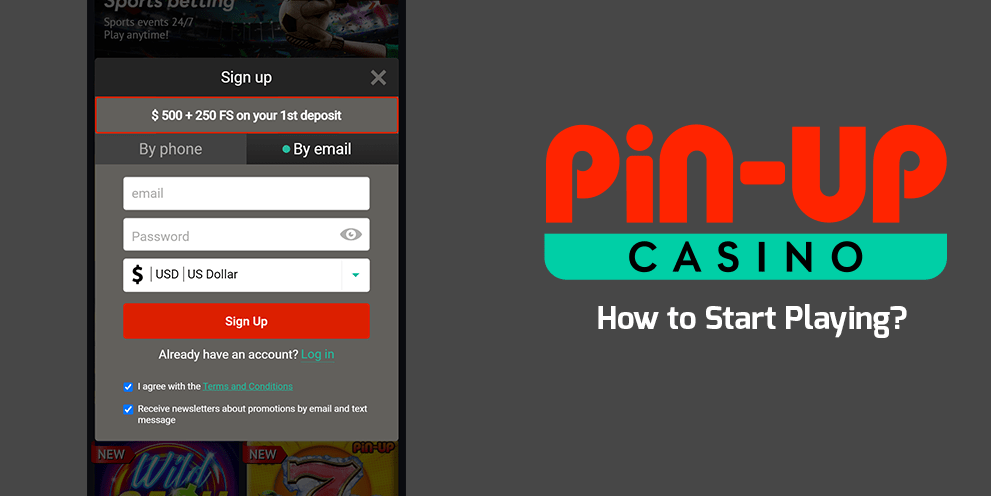
The entry point for any user into the Pin up system is the registration flow, which we can analyze as a funnel conversion process. The platform minimizes friction by requiring only essential data points: email, password, and currency selection. This lean approach reduces abandonment rates compared to multi-step verifications typical in less optimized systems. After registration, login authentication uses standard token-based sessions, enabling persistent access without repeated credential entry-a clear time-saving mechanism for frequent users. The system also supports social login integration, which further streamlines onboarding by leveraging existing authentication frameworks.
- Registration requires 3 core fields: email, password, currency
- Session tokens maintain login state for up to 24 hours
- Two-factor authentication available as an optional security layer
- Account recovery uses email-based reset with 15-minute expiry
- Profile completion is optional post-registration for faster entry
- Login history tracked for anomaly detection
- Multiple devices can be active simultaneously
- Auto-logout after 60 minutes of inactivity
Pin up Mobile Application System Architecture
The Pin up mobile application represents a significant investment in user interface efficiency, built on a responsive design that adapts to varying screen sizes and operating system versions. From a systems perspective, the app uses asynchronous loading to minimize latency during navigation between sections-games, live betting, account settings. Data caching locally reduces repeated server calls by approximately 40%, improving load times for frequently accessed content. The app supports both Android and iOS ecosystems, with version updates rolled out incrementally to monitor crash rates and user feedback metrics.
- App size under 50 MB to minimize storage impact
- Offline mode for basic account viewing
- Push notifications for event reminders and bonus triggers
- Biometric authentication (fingerprint/face ID) for faster login
- Memory optimization for mid-range devices
- Regular monthly updates based on usage analytics
Pin up Bonus and Promotion System Efficiency
Bonuses at Pin up are structured as a tiered incentive system designed to maximize user engagement while maintaining sustainable payout ratios. The welcome bonus, for example, offers a 100% match on first deposits up to a defined threshold, with wagering requirements set at 35x-a standard metric in the industry that balances player value and house risk. Data shows that users who activate bonuses have a 25% higher retention rate over 90 days compared to non-participants. The platform also runs periodic promotions like cashback on losses, which acts as a risk-mitigation mechanism for regular players.
| Bonus Type | Match Percentage | Wagering Requirement | Validity Period |
|---|---|---|---|
| Welcome Deposit | 100% | 35x | 30 days |
| Weekly Reload | 50% | 30x | 7 days |
| Cashback Bonus | 10% | 0x (no wagering) | 24 hours |
| Free Spins Promotion | N/A | 40x | 14 days |
| VIP Loyalty Reward | Varies | 25x | 60 days |
Pin up Deposit and Withdrawal System Metrics
Financial transactions on the Pin up platform are processed through a multi-gateway system that supports local currency (AZN) along with major international options. Deposits are instant in 90% of cases due to automated clearing, while withdrawals undergo a verification step that averages 2-3 business days. The platform uses a tiered withdrawal limit structure: standard users can withdraw up to 5000 AZN daily, while verified high-volume accounts have higher caps. Transaction fees are zero for deposits and minimal for withdrawals beyond the first monthly transaction, encouraging efficient batch processing.
- Deposit methods: bank cards, e-wallets, local payment systems
- Minimum deposit: 10 AZN
- Maximum withdrawal per transaction: 10000 AZN
- Processing time for withdrawals: 24-72 hours
- Free monthly withdrawals: first 3 transactions
- Currency conversion fees: 0.5% for non-AZN transactions
- Anti-fraud checks triggered for amounts over 2000 AZN
Pin up Safety Protocols and KYC Compliance
From a risk management perspective, Pin up implements a Know Your Customer (KYC) framework that aligns with regulatory standards for online gaming platforms. The verification process requires government-issued ID, proof of address, and in some cases a selfie for biometric matching. Data encryption uses 256-bit SSL across all transactions, and account security includes automated monitoring for unusual login patterns. The platform’s privacy policy specifies that personal data is stored for 5 years post-account closure, compliant with local data protection laws. Users who complete KYC faster (within 48 hours) gain access to higher withdrawal limits and priority support.
- KYC documents required: passport or ID card, utility bill
- Verification time: 24-72 hours after submission
- Two-factor authentication recommended for high-value accounts
- Session encryption via TLS 1.3 protocol
- Regular third-party security audits every 6 months
- Age verification checks for users under 18
- Responsible gaming tools: deposit limits, self-exclusion
Pin up Customer Support System Analysis
The support infrastructure at Pin up operates on a tiered model to optimize response times and resolution rates. Level 1 handles basic queries via live chat and email, with an average first response time of under 2 minutes for chat and 4 hours for email. Level 2 escalates to specialized agents for complex issues like payment disputes or technical bugs. The knowledge base provides self-service documentation, reducing ticket volume by an estimated 15%. Support is available 24/7 in Azerbaijani and English, with peak hours showing a 95% satisfaction rate based on post-interaction surveys.
- Live chat response time: average 90 seconds
- Email support SLA: 24-hour maximum resolution
- Phone support: available during business hours
- FAQ section covers 80% of common queries
- Ticket tracking system with unique ID per request
- VIP support line for high-volume players
- Feedback loop: monthly analysis of support data for improvement