
Best crypto casino VIP applications 2026: Perks & tiers
31 de agosto de 2026Web3 Playing & Crypto Gambling enterprise Recommendations 2026
31 de agosto de 2026
The Allure of Casinos: Understanding the Initial Attraction
When one thinks of casinos, images of glamorous settings, bright lights, and the thrill of potential winnings often come to mind. This allure can draw individuals in, encouraging them to take risks and gamble their money in hopes of hitting the jackpot. However, what many do not realize is that the initial excitement can mask underlying costs. In fact, platforms like 1win often highlight the lavish environments and enticing promotional offers that can create a false sense of security regarding the financial commitment required to participate in gambling activities.
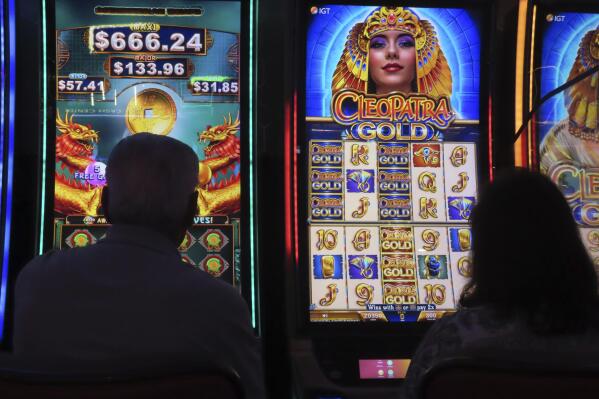
Many casino-goers are unaware of the psychological tactics employed by these establishments. By designing spaces that evoke feelings of excitement and euphoria, casinos encourage players to lose track of time and money. The absence of windows and clocks, along with the abundance of complimentary drinks, only serves to enhance this experience. As a result, players often find themselves spending more than they initially intended, blinded by the thrill of the game and the prospect of winning big.
In addition to this psychological manipulation, the concept of “chasing losses” compounds the issue. When players experience losses, the natural reaction may be to continue gambling in an attempt to recover their lost money. This can lead to a destructive cycle where individuals not only lose their initial investment but often go much further into debt. Therefore, understanding the initial attraction of casinos is crucial for recognizing the hidden costs involved in gambling.
The Financial Reality: Beyond the Wagers
Many gamblers erroneously believe that the primary cost of gambling lies solely in the money spent on wagers. However, the financial reality is much more complex. Aside from the bets placed on games, there are several hidden fees that can significantly impact an individual’s overall gambling budget. These can include costs associated with travel, accommodation, and food if visiting a casino in person, or even online transaction fees for virtual gambling.
Additionally, players often neglect to factor in the cost of entertainment. Casinos frequently offer shows, music performances, and other forms of entertainment that may be tempting to indulge in. While these activities can enhance the overall experience, they also contribute to the total expenditure. If an individual attends a concert or shows appreciation for talent by spending on drinks and souvenirs, this can add up quickly, creating a larger dent in their finances.

Moreover, loyalty programs and rewards systems, while beneficial on the surface, can also lead to excessive spending. Players may feel compelled to gamble more to earn points or rewards, unintentionally increasing their financial outlay. Understanding these additional costs can help individuals reassess her gambling habits and better manage their budgets, ultimately allowing for a more enjoyable experience without the dread of potential financial strain.
The Psychological Costs of Gambling
The hidden costs of gambling extend beyond mere finances; they also encompass psychological ramifications. Engaging in gaming activities can lead to an array of emotional states, ranging from exhilaration to despair. The highs of winning can be intoxicating, yet the lows of losing often carry significant psychological weight. Many gamblers experience stress, anxiety, or even depression as they grapple with their choices and the outcomes of their endeavors.
Compulsive gambling is another severe consequence that can arise from an initial innocent foray into the casino world. As individuals fall deeper into gambling habits, they may find themselves prioritizing gambling over their relationships, health, and everyday responsibilities. This compulsive behavior creates a cascading effect, where personal life, work, and socializing suffer. It can also lead to isolation and a decline in mental well-being, underscoring the broader implications of gambling beyond mere enjoyment.
The social stigma associated with gambling addiction can further exacerbate the psychological costs. Those struggling may feel ashamed or embarrassed to seek help, pushing them further into isolation and despair. Building awareness around these challenges is paramount, as it encourages individuals to seek support and understand that they are not alone in their experiences. Recognizing the psychological aspects of gambling is essential to fully grasp the hidden costs tied to this form of entertainment.
The Impact of Gambling on Relationships
Gambling can strain personal relationships significantly. When individuals prioritize their gambling endeavors over their loved ones, it can lead to feelings of neglect and resentment among family and friends. This rift can create a sense of isolation, driving those affected to further engage in gambling to cope with their emotional pain. The cycle becomes vicious, where gambling serves as an escape, but ultimately contributes to deeper issues within relationships.
Moreover, the financial consequences of gambling can place a severe burden on relationships. If one partner is secretly gambling away joint finances, it can lead to major conflicts and mistrust. Survivors of gambling-related financial strain may experience feelings of betrayal, leading to a breakdown in communication and unity. Couples might find themselves in debt or struggling to make necessary payments due to irresponsible gambling behavior, which can further deteriorate their bond.
It is crucial for gamblers to maintain open lines of communication with their partners and loved ones. Addressing issues related to gambling openly can help to diffuse tensions and create a supportive environment that encourages responsible gaming behaviors. Recognizing the impact of gambling on relationships allows for proactive measures to be taken, ensuring that financial and emotional costs do not become overwhelming.
Finding Balance: Responsible Gambling and Resources
To mitigate the hidden costs of gambling, it is essential for individuals to adopt responsible gambling practices. Setting strict budgets and adhering to limits can help in avoiding financial pitfalls. Understanding one’s limits is key to maintaining a healthy relationship with gambling. By treating gambling as a form of entertainment rather than a way to make money, individuals can enjoy the experience without falling into the trap of excessive spending.
Additionally, many resources and organizations offer support for those who find themselves struggling with gambling addiction. These entities provide tools and information to help individuals better understand their habits and make informed decisions. Engaging with support systems can foster a sense of community and accountability, further assisting individuals in reclaiming control over their gambling behaviors.
For those interested in learning more about responsible gambling, informative websites and dedicated resources exist to promote awareness of the hidden costs and strategies for curbing undesirable habits. Seeking help allows individuals to enjoy the excitement of gambling while safeguarding their mental and emotional well-being, providing a well-rounded approach to this popular pastime.
